

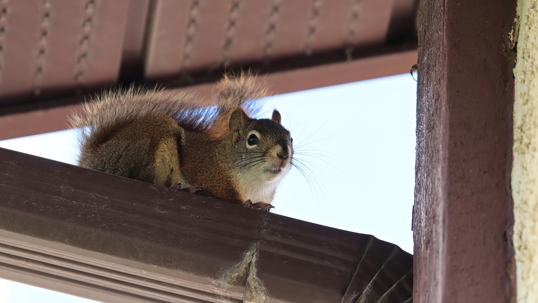
Protecting your Toledo home from squirrels is essential if you want to avoid damage to wiring, insulation, roofing materials, and stored belongings. These agile pests are common throughout the Toledo area and can quickly find their way into attics, crawl spaces, and wall voids—especially during colder months. Taking proactive measures now can help you prevent infestations, reduce repair costs, and keep your home secure throughout the year.
How to Squirrel-Proof Your Toledo Home:
- Seal Gaps, Cracks, and Entry Points: Squirrels only need a small opening to get inside. Inspect your roofline, attic vents, siding, and foundation for gaps. Use steel mesh, metal flashing, or heavy-duty sealant to close any openings they could squeeze through.
- Trim Trees and Remove Access Routes: Overhanging branches act like bridges straight to your roof. Trimming tree limbs at least 8–10 feet away from your home makes it much harder for squirrels to jump onto gutters or shingles.
- Secure Attic and Roof Vents: Standard vent screens are easy for squirrels to chew through. Replacing them with reinforced metal screens helps block access while still allowing proper airflow.
- Protect Bird Feeders and Food Sources: Birdseed, pet food, and unsecured trash attract squirrels. Use squirrel-proof bird feeders, store food in airtight containers, and keep garbage bins tightly closed to reduce interest around your home.
- Install Chimney Caps and Exclusion Devices: Chimneys and open flues are common entry points. Adding a sturdy chimney cap or exclusion guard prevents squirrels from nesting inside or entering the home through these openings.
By taking these preventive steps, you can effectively reduce the chances of squirrels entering and damaging your Toledo home. Staying proactive not only protects your property but also ensures your living space remains safe, clean, and free of unwanted wildlife year-round.
What Attracts Squirrels to Toledo Homes?
Several factors make local homes attractive to squirrels. The abundance of mature trees, bird feeders, and unprotected trash bins creates a source of easy food. Squirrels are drawn to acorns, seeds, nuts, and sometimes even pet food left outdoors. Neighbors who hang bird feeders near homes may unintentionally invite squirrels to venture closer to your property as well. Overlooked or fallen food sources, such as garden vegetables or uncollected fruit, will also act as long-term attractants.
Seasonal changes in Ohio affect how squirrels behave. During early spring and again in late summer and fall, squirrels are particularly active gathering materials and food for nesting and winter storage. These periods often push them to explore nearby structures for warm, dry shelter, especially as Toledo’s weather turns colder or wetter. Homes with accessible attics, crawl spaces, or wall voids prove irresistible during these times.
The structure of many Toledo-area homes also gives squirrels ample opportunities. Older properties may have worn soffits, loose vent covers, or roof junctures where siding has shifted with age. Overgrown landscaping or tree limbs hanging over the roof make it easy for squirrels to bridge the gap from outdoors to attic. These structural factors, paired with food and seasonal pressures, contribute to year-round squirrel pressure on Toledo homes.
How Do Squirrels Get Into Attics, Walls & Crawl Spaces?
Squirrels in Toledo are persistent and agile, making the most of even the smallest openings. They squeeze through gaps as small as two inches and can enlarge holes by gnawing on wood, vinyl, aluminum, and even brick mortar. Common access points include unprotected roof edges, damaged soffits, attic vents, chimney flues without caps, and gaps around utility lines. Pipe or cable entry holes, if not properly sealed, often serve as hidden doorways into the home.
Once inside, squirrels nest in insulation, use stored items for bedding, and leave droppings and urine behind. You might hear running or scratching sounds, especially at dawn and dusk when squirrels are most active. Visible clues like gnawed wood, small piles of insulation, or debris near rooflines often signal active entry points. Many Toledo homes show signs of squirrel activity in late fall, as animals rush to secure winter shelter.
Homeowners can catch infestations early by regularly inspecting attics, gutters, and other vulnerable areas, especially before and after seasons change. Listen for noises in the ceiling or walls, look for chewed corners and droppings, and monitor for shifting insulation or new debris. Timely checks, combined with frequent exterior maintenance, reduce the risk of squirrels settling in for the long haul.
What Are the Real Risks of Squirrels Living Inside?
Once squirrels are inside, they threaten more than just your peace of mind. They frequently chew on electrical wiring, stripping the protective insulation and increasing the chance of shorts or sparks that can start fires. According to the National Fire Protection Association, rodents—including squirrels—are responsible each year for a significant number of attic fires and costly outages that may not be covered by insurance.
Beyond fire hazards, squirrels damage insulation as they compress it for nesting, remove it for bedding, and leave behind soiled waste. This degrades both the effectiveness and structural integrity of your attic, causing energy inefficiency and potentially raising heating and cooling costs. Over months, squirrel urine and droppings foster mold growth, resulting in harmful odors and health risks for families, especially those with allergies or respiratory sensitivities.
Unchecked infestations cause more expensive issues over time. Squirrels widen entry holes, opening the home to further moisture, water leaks, and cross-invasion by other pests. Persistent squirrel pressure can turn a single incident into a recurring, neighborhood-wide problem. Addressing these risks early with effective squirrel proofing in Toledo not only safeguards your home but also helps prevent widespread property damage and surprise expenses down the road.
What DIY Squirrel-Proofing Methods Work in Toledo?
Effective squirrel proofing relies on a thorough inspection and targeted exclusion steps tailored to the local environment. Begin with a detailed check of all roof junctions, vent covers, soffits, and exposed woodwork. Focus on attic access points and foundation-level crawl space doors. Durable materials, such as heavy-gauge metal mesh, work best for screening vents and reinforcing weak spots. Secure chimney flues with fitted caps that allow proper ventilation but block all animal entry.
Proper yard maintenance is essential. Prune back tree limbs at least eight to ten feet from the house, making it difficult for squirrels to leap onto your roof. Move woodpiles and storage away from the home, and eliminate vines that act as climbing bridges. To keep squirrels from raiding bird feeders and trash bins, choose specially designed squirrel-proof feeders on isolated poles and ensure all outdoor bins have tightly sealed lids.
To avoid common mistakes, skip using expandable foam alone for sealing gaps. Squirrels can chew through weak materials quickly. Remove any outdoor pet food promptly to decrease the property’s appeal. Repellents or temporary traps offer only short-term relief and can push the problem elsewhere rather than fixing it. Consistent upkeep, combined with using the right exclusion materials, provides the most lasting results for squirrel control in Toledo homes.
When Should You Call a Professional for a Squirrel Infestation?
DIY efforts sometimes succeed for small, recent invasions, but a few clear signs signal the need for professional help. If you’re hearing persistent noises even after repairs or seeing new droppings, gnaw marks, or attic damage, it’s time for a professional inspection. Many Toledo homes have complex rooflines, hidden access points, and challenging attic spaces, making it hard to fully address the issue without experienced help.
Regulations in Ohio dictate certain wildlife removal methods, and untrained attempts at trapping or poisoning can be both unsafe and unlawful. Squirrels may carry parasites or diseases, and removing contaminated nests or cleaning up large amounts of droppings calls for safety gear most homeowners don’t have. Professional pest control companies bring the tools and experience necessary to deal with these challenges efficiently and legally.
Choosing a locally trusted team means getting service from people who understand area homes, work with current standards, and provide flexible scheduling for emergencies or persistent issues. Family-owned businesses like Frame's Pest Control, Inc. emphasize honest communication and personal service, ensuring you know what’s happening every step of the way. If squirrels keep coming back after repeated DIY blocks, it pays to have a professional assessment before major repairs are needed.
How Professional Squirrel Proofing Works: What Toledo Residents Should Expect
Professional squirrel proofing always starts with a thorough home inspection. Technicians use ladders, flashlights, and specialized equipment to check every area—attic vents, soffits, eaves, and even where wires and pipes pass into the home. Every active and potential entry point is identified, and you’ll receive a clear report covering what needs attention right away and what could cause trouble down the road.
Teams use high-quality exclusion materials: heavy-duty flashing for roof edges, rigid metal mesh for vent and foundation covers, and secure chimney caps. Humane removal methods comply with state wildlife guidance, relocating any live animals safely. Some services also include thorough cleaning and deodorizing of contaminated attics to restore safety and comfort. This transparent process, paired with clear explanations, sets apart services offered by family-run providers with decades of community trust.
After the core work, many companies offer scheduled re-checks or return visits at no extra charge if pests reappear. Providers like Frame's Pest Control, Inc. focus on reliability and straightforward communication, building a relationship that covers both immediate needs and future prevention. You’ll know exactly when to expect follow-up inspections, what seasonal steps to take, and how your home’s peculiarities affect long-term squirrel proofing in Toledo.
Seasonal Squirrel Problems: What Should Toledo Homeowners Watch For?
Squirrel activity in Northwest Ohio changes with the seasons. In spring, females search for secure, hidden locations to have their young. Attics and wall cavities become attractive for nesting, and you might notice new noises or damage in March and April. Homeowners who conduct inspections and reinforce vulnerable areas before spring are less likely to host growing squirrel families.
Late summer and fall bring renewed urgency as squirrels gather and stash food for the coming winter. This is the most active season for roof, vent, and siding damage, with animals testing every possible entryway. Inspections and yard maintenance between August and October are vital. A neglected attic during this period often leads to full winter infestations, as squirrels settle in and become much harder to evict during the coldest months.
In winter, movement inside your walls or ceiling often signals established nests. Preventing access in advance is far easier than removing overwintering animals in February or March. Tying routine maintenance to the seasons—yard cleanup in fall, roof checks in late spring—not only deters squirrels but also addresses other mosquitoes commonly found in Toledo homes.
Best Practices for Year-Round Squirrel Prevention in Toledo
Maintaining a squirrel-free home requires commitment to routine inspections and practical outdoor habits. Walk the outside of your home every few months to spot any new chew marks, droppings, or shifted insulation. Regular attic checks—with a flashlight—help confirm that exclusion measures are holding. Proactive maintenance now greatly reduces emergency costs or time-consuming repairs later.
Landscape management makes your property less appealing to wildlife. Rake up fallen acorns and fruit, remove unused woodpiles, and keep shrubbery and tree limbs well trimmed. Place trash and compost bins at least ten feet from the house and keep lids tightly closed. If you use bird feeders, switch to ones designed to minimize seed spillage and position them away from structures.
Here are practical routines to include in your prevention plan:
- Inspect attic vents, crawl spaces, and foundation screens at least twice a year for gaps and deterioration.
- Trim all trees and large shrubs away from the roof, keeping branches eight to ten feet distant.
- Combine pest control service visits with seasonal yard cleanups for stronger, year-round results.
Older Toledo homes, or those with a history of wildlife issues, benefit from periodic professional inspections. Local, family-run companies like Frame's Pest Control, Inc. take pride in building long-term relationships with their neighbors, offering advice and monitoring that goes beyond quick fixes. Setting a prevention routine protects your property, investments, and peace of mind throughout every season.
Cost of Squirrel Proofing in Toledo: What Should You Expect?
The price for squirrel proofing in Toledo depends on the extent of exclusion work needed and the amount of damage already present. Simple maintenance, like vent screening or sealing a gap, may only require the cost of supplies. However, if extensive wiring or insulation repairs are needed, or if attic clean-up is required, costs can rise. Rodent-related fire and water damage frequently exceeds routine prevention costs, with insurance policies often excluding damage that was preventable.
Professional exclusion generally includes an inspection fee, costs for materials and labor, and in some cases, additional services like attic sanitation or odor removal. Toledo’s most reliable firms, such as Frame's Pest Control, Inc., provide upfront estimates and detail all charges so you can make an informed decision. Investing in experienced squirrel proofing now is far less expensive than facing repeating repair bills or a major restoration after an infestation.
The savings from timely action often go unnoticed: improved insulation means lower energy bills, protected wiring lowers utility disruptions, and preventing recurring pest issues avoids long-term health and safety hazards. When choosing a company, look beyond just price—consider the value and peace of mind that comes from clear communication, community roots, and a long track record of serving the Toledo area.
How to Choose a Squirrel-Proofing Service in Toledo That You Can Trust
Finding the right squirrel-proofing service starts with looking for longevity and trust in the Toledo community. Search for companies with decades in business, a steady local presence, and a staff of licensed, highly trained technicians. Family-run providers bring generational commitment and a culture of accountability, treating customers as neighbors instead of transactions.
Ask questions about technician training, professional licensing, and procedures for humane animal removal. Look for providers who conduct thorough inspections, communicate clearly, follow up with scheduled re-checks, and offer flexible scheduling—including Saturday appointments when possible. A transparent process, fair pricing, and prompt arrival set reputable services apart from fly-by-night companies or out-of-town operators.
Values matter—companies founded by veterans, with deep community connections and repeat customers, are invested in every job. Strong communication and a customer-first focus are just as important as advanced exclusion methods. If you are ready to protect your home from squirrels and want advice tailored to Toledo’s neighborhoods, call (877) 803-5966. You’ll receive clear guidance from a team that’s committed to earning your trust for the long haul.