

Summer evenings in Toledo should mean cookouts on the patio, kids running through the yard, and quiet time on the deck, not swatting mosquitoes every few seconds. If you feel like you have to sprint from the back door to the garage just to avoid bites, you are not alone. Many Toledo homeowners feel stuck between bug spray, smoky candles, and simply staying inside once the sun goes down.
For most yards in our area, the problem is not bad luck, and it is not just that you live near woods or water. Mosquitoes thrive in a specific mix of standing water, shade, and warm, humid air, all of which are common across Northern Ohio. Once you know exactly what attracts mosquitoes to your backyard and where they are really breeding, you can make targeted changes that reduce them significantly instead of relying only on temporary fixes.
At Frame's Pest Control, Inc., we have been protecting homes and businesses across Northern Ohio and Southeastern Michigan since 1972. Our more than 35 licensed field technicians spend spring and summer walking Toledo backyards, finding the same mosquito trouble spots again and again. In this guide, we share what we have learned in local yards for over 50 years so you can put practical backyard mosquito prevention in Toledo to work at your own home.
Why Toledo Backyards Attract So Many Mosquitoes
Toledo summers are a perfect storm for mosquitoes. Warm temperatures, periods of heavy rain, and humidity create a comfortable environment for these insects to breed and rest. When daytime temperatures stay consistently warm and overnight temperatures do not drop much, mosquito development speeds up, and populations can surge quickly after a wet stretch.
Most common backyard mosquitoes start life in water. Female mosquitoes lay eggs on or near the surface of standing water. In warm, still water, those eggs can hatch into larvae and then develop into adults in roughly a week. This fast cycle is why a single rainy weekend in July can turn into a noticeable jump in mosquito activity by the following weekend if water is allowed to sit in the yard.
Many people picture ponds or ditches when they think about mosquito breeding, but in Toledo neighborhoods, mosquitoes often use smaller, sheltered water sources. A bit of water in a plastic toy, a clogged section of gutter, or a sagging tarp can hold enough water for larvae to develop. After decades of summers in Northern Ohio, our team has seen how often these small, easy-to-miss spots drive the worst backyard mosquito problems, even when the rest of the yard looks well kept.
Hidden Standing Water Spots Around Toledo Homes
When we walk a yard with a customer, the first surprise is usually how many places hold water that no one noticed. Backyard mosquito prevention in Toledo starts with finding these hidden puddles and containers. Mosquitoes are not picky about what the water sits in, as long as it is still, shallow, and protected from strong currents or heavy disturbance.
Clogged gutters are one of the biggest culprits we see across Toledo. Leaves, seeds, and debris trap water in sections of gutter or in downspout elbows. That water can sit for days in warm weather, giving mosquito eggs plenty of time to develop. The same thing happens in flat spots along downspout extensions or where the ground has settled near a foundation and created shallow depressions that hold puddles.
Smaller items add up as well. Plant saucers under pots, neglected birdbaths, discarded buckets, wheelbarrows, and kiddie pools that are not emptied regularly all offer excellent breeding sites. Water collects in the folds of grill covers, in creases of tarps draped over firewood or lawn equipment, and inside toys or yard decorations with hollow sections. Our technicians often find the worst larvae counts inside forgotten toys behind garages or under low decks where homeowners rarely look.
Because mosquitoes can develop from egg to adult in about a week in warm water, each of these small containers has plenty of time to produce new adults between weekend yard chores. Even very small amounts of water can support mosquito larvae, so a cluster of containers and low spots in one corner of the yard can produce enough mosquitoes to affect the entire outdoor space. Spotting and dealing with these hidden water sources is one of the fastest ways to make your backyard less inviting to mosquitoes.
Landscaping Choices That Invite Mosquitoes
Water is only part of the picture. Adult mosquitoes also need places to rest during the day, and the way your yard is landscaped has a big impact on how attractive it is to them. Mosquitoes lose moisture easily, so they look for shady, humid places close to the ground where the air is still and the sun does not dry them out.
Dense shrubs, thick hedges, and overgrown ornamental grasses create ideal hiding spots. When branches sit directly on the ground or plants are packed tightly together, the area underneath stays damp and cool. Mosquitoes commonly rest on the undersides of leaves in these areas, then move out to feed at dawn and dusk when you and your family step outside.
Overwatering lawns and garden beds makes the problem worse. In many Toledo neighborhoods, heavy, clay-based soil does not drain well, so frequent watering or irrigation leads to persistently damp ground. That moisture, combined with shade from trees or structures, boosts humidity around plants and encourages more mosquito activity. We often point out to customers that the shadiest, most lush corner of the yard is also where mosquitoes feel most at home.
Small changes go a long way. Raising shrub branches a few inches off the soil, thinning out crowded plantings so air can move between them, and keeping grass at a reasonable height reduce the number of cool, humid pockets where mosquitoes can rest. During inspections, our technicians frequently recommend simple pruning and spacing adjustments that make backyard mosquito prevention in Toledo more effective, especially when paired with targeted treatments on foliage.
Simple Water Management Habits for Everyday Prevention
Once you understand where water tends to linger around your property, prevention becomes a series of simple, repeatable habits rather than a major cleanup project. The idea is to interrupt the mosquito life cycle on a regular basis so standing water does not remain long enough for larvae to mature. A quick check after rainfall or yard work can go a long way toward reducing future mosquito activity.
A consistent routine for managing water around your home often includes:
- Walking the yard weekly: Look for items that collect rain and address them before water has time to sit for several days.
- Emptying small containers: Dump water from plant saucers, toys, buckets, and similar items after storms.
- Managing tarps and covers: Pull tarps tight over firewood or equipment so water cannot pool in low spots or folds.
- Checking trash and recycling bins: Inspect lids, rims, and bases where rainwater commonly collects.
- Refreshing pet and bird water: Change birdbath and pet bowl water every few days to prevent larvae from developing.
- Draining unused pools: Empty kiddie pools and avoid leaving shallow water standing between uses.
- Watching larger features closely: Use circulation or other controls for decorative ponds, while keeping nearby items dry.
- Maintaining gutters and downspouts: Clear debris so water flows freely and does not collect near the foundation.
Building these habits into your normal schedule makes prevention far more effective than one-time efforts. Regular attention to water management not only helps limit mosquito breeding but also reduces moisture-related issues around your home. When homeowners stay consistent between professional visits, the results tend to last longer and feel more reliable throughout the season.
Backyard Features That Need Extra Attention in Toledo
Every yard has its own quirks, but certain backyard features show up again and again in Toledo and they often hide water or create sheltered spots for mosquitoes. Paying close attention to these areas tightens up your overall prevention plan and supports everything else you are doing in the yard.
Patios and decks are frequent problem areas. Water can collect in the folds of furniture covers, in the hollow sections of plastic or metal furniture, and in small gaps between deck boards where debris traps moisture. Underneath raised decks, shaded soil, stored lumber, and clutter can create cool, damp pockets that mosquitoes use during the day. When we inspect decks, we often find breeding sites in items stored out of sight, such as old plant pots, stacked materials, or unused containers.
Play equipment presents similar issues. Water often pools in the legs or seats of swing sets, between trampoline pads and frames, and inside plastic slides or playhouses. Because kids spend a lot of time in these areas, mosquitoes breeding nearby quickly become a noticeable nuisance. Making a habit of tipping or shaking water off equipment and checking for trapped water after storms is an important part of backyard mosquito prevention in Toledo family yards.
Sheds, garages, and fence lines are other common hotspots. Containers, tires, and buckets tend to accumulate in these out-of-the-way areas and may sit for months without being emptied. Water collects inside them with every rain. The narrow strips of soil along fences and behind sheds often stay shaded and damp, especially when clutter or yard waste builds up. Our technicians regularly find clusters of larvae in forgotten items tucked behind structures and along property lines where homeowners rarely walk.
By focusing your time on these high-risk features, you address the places where mosquitoes are most likely to breed close to the spaces you want to use. That focus means your effort pays off more than a quick, general sweep of the yard and helps any professional treatments you choose to use perform better.
How Professional Mosquito Treatments Support Your Prevention Work
Even with strong habits and careful landscaping, many Toledo homeowners reach a point where they want more consistent relief than DIY steps alone can provide. Professional mosquito treatments are designed to work alongside your prevention efforts by targeting mosquitoes where they rest and by identifying breeding sites you may have missed.
During a typical backyard mosquito visit, a technician walks your property to look for standing water, shaded resting areas, and structural features that attract mosquitoes. They discuss what they find with you in straightforward language and recommend specific changes, such as moving or dumping certain containers, making pruning adjustments, or improving drainage in particular spots.
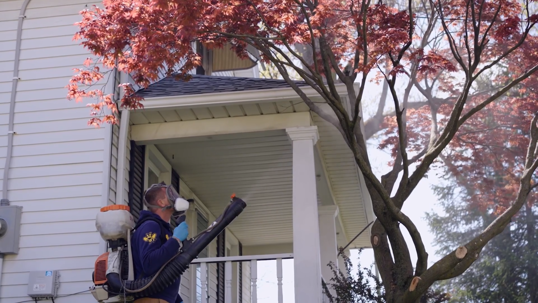
In addition to inspection and guidance, technicians apply targeted treatments to vegetation, fence lines, and other surfaces where mosquitoes tend to land and rest. These applications create a treated barrier on leaves and structures. When mosquitoes come into contact with those surfaces, their numbers in the yard go down. The effectiveness and longevity of these treatments depend on several factors, including rainfall, sun exposure, and how thick the vegetation is, so results are discussed in realistic terms rather than as a one-time fix.
At Frame's Pest Control, Inc., we see professional treatment as part of a broader backyard mosquito prevention strategy in Toledo, not a replacement for good yard habits. Our technicians arrive promptly, explain what they are doing in simple terms, and clean outdoor areas before treatments when needed. If mosquitoes return between scheduled visits under one of our regular service programs, our customer commitment includes follow-up treatments at no additional cost, which gives families confidence in the plan they choose.
Building a Seasonal Mosquito Plan for Your Toledo Backyard
Mosquito control works best when it is planned across the entire warm season instead of handled as a series of emergencies. In Toledo, that usually means starting prevention in spring, keeping up with water management and landscaping through summer, and adjusting after big weather events. A seasonal plan lets you enjoy your yard more without feeling like you are always reacting to the latest wave of bites.
As temperatures rise in late spring, mosquitoes begin to appear, even if numbers are still low. This is a good time to walk the yard, clear leftover winter debris, fix gutter issues, and set up your weekly water dumping routine. Many of our customers also schedule their first mosquito service visit during this period so we can identify early problem spots and put treatments in place before peak season.
Throughout summer, heavy rain and heat can cause mosquito populations to jump. After a warm, wet week, new adults often emerge from any standing water that was left alone. Building a habit of checking your yard right after major storms helps you stay ahead of those spikes. Regular professional visits during these months support your work by refreshing treatments and adapting to any changes in your yard or surrounding conditions.
Because we have been working through Northern Ohio summers for more than 50 years, we know how quickly conditions can change across Toledo neighborhoods. Frame's Pest Control, Inc. offers prompt scheduling, including same-day and next-day service when available, and Saturday appointments when our calendar allows, so you can line up visits around busy family schedules. Combined with your own water management and landscaping efforts, a thoughtful seasonal plan makes your backyard a much more comfortable place to spend time.
Take Back Your Toledo Backyard From Mosquitoes
Backyard mosquito problems in Toledo are not a mystery once you know what to look for. Standing water in small containers, clogged gutters, dense vegetation, and hidden damp spots under decks, around play equipment, and behind sheds all give mosquitoes what they need to breed and rest. By changing a few habits, managing water more consistently, and making small adjustments to your landscaping, you can cut down mosquito numbers and get more use out of your yard.
If you want to go further than DIY steps alone, partnering with a local team that understands Toledo weather, soil, and neighborhood layouts can make a real difference. Frame's Pest Control, Inc. has spent decades helping families across Northern Ohio build practical, comfortable mosquito prevention plans that fit their yards and routines. We are ready to inspect your property, explain what we see, and put a tailored treatment schedule in place so you can enjoy your outdoor space again.
Contact us at (877) 803-5966 today to talk with our team or schedule backyard mosquito service for your Toledo home.