

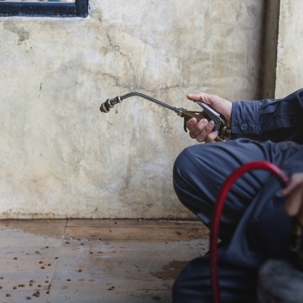
Many offices breathe a quiet sigh of relief when the weather turns cold, assuming pest problems will taper off until spring. Outdoor patios empty, landscaping slows down, and it can feel like insects and rodents disappear with the first frost. On the surface, winter seems like the one season when you can move pest control to the bottom of your facilities list.
In reality, winter often shifts pest activity indoors instead of shutting it down. As temperatures drop and snow covers food and shelter outdoors, rodents, insects, and other pests start looking for warmth, steady food sources, and safe places to nest. Office buildings provide all of that, from heated spaces and shared kitchens to storage rooms and ceiling voids that stay undisturbed for months.
At Frame's Pest Control, Inc., we have been protecting homes and businesses since 1972. Over more than 50 winters, our licensed technicians have seen the same pattern repeat: offices that prepare for winter pests early stay more comfortable and disruption free, while those that wait for sightings often face mid-season surprises. In this guide, we share how to get your office ready for winter pests and where professional winter pest control fits into a practical plan.
Common Winter Entry Points Around Office Buildings
Winter pest issues inside offices almost always begin at the building exterior. As outdoor conditions become less hospitable, pests seek out warmth and shelter by exploiting small weaknesses in the structure. Understanding where these access points are and addressing them early is one of the most effective ways to reduce winter activity indoors. Inspections tend to reveal the same categories of entry points across many office buildings, making them a practical starting place for prevention efforts.
Common winter entry points around office buildings include:
- Exterior doors and loading areas: where missing or damaged door sweeps, worn weatherstripping, and misaligned thresholds create gaps large enough for rodents to enter.
- Service and dock doors: especially those that are frequently propped open during deliveries or breaks, allowing pests to move directly from outdoor shelter into interior spaces.
- Utility penetrations: such as openings around plumbing, electrical conduit, cable, or HVAC lines where materials pass through walls or foundations.
- Gaps widened by seasonal movement: caused by expansion and contraction that gradually increases space around pipes and conduits.
- Mechanical rooms and IT closets: which often sit directly along utility pathways and provide warmth and shelter once pests get inside.
- Rooflines, soffits, vents, and flashing: where disturbed insulation or deteriorated sealant can open access into wall and ceiling voids.
- Upper-level cavities: including ceiling and wall spaces that allow pests to travel unseen before dropping into occupied areas.
Focusing on these entry points during winter-focused inspections allows building and maintenance teams to address problems at their source. By tracing likely routes from the exterior inward and prioritizing sealing and repairs, offices can prevent recurring issues instead of repeatedly responding to interior sightings throughout the winter season.
Why Winter Increases Pest Pressure Inside Offices
Cold weather does not stop pests. It concentrates them. As temperatures drop, food and shelter outside become harder to find. Snow covers natural hiding places, frozen ground limits burrowing, and many insects lose access to plants and organic material they rely on. Rodents and insects respond by following heat and moisture toward buildings, especially structures that leak warm air through gaps and vents.
Office buildings are especially attractive in winter because they offer stable temperatures and predictable food sources. Heated interiors and extensive wall and ceiling voids give rodents and insects places to travel and nest without being disturbed. Staff bring food into break rooms, conference spaces, and their desks, and cleaning schedules may loosen during busy holiday periods. All of this combines into an ideal winter refuge for pests that would struggle to survive outside.
In office environments, several categories of winter pests are common. Mice and rats are the most noticeable, since they seek warmth and will exploit even tiny gaps to get inside. Cockroaches stay active year round indoors and often take advantage of warm, moist areas near kitchens, dishwashers, and restroom plumbing. Spiders, cluster flies, and other occasional invaders may gather in upper floors or window wells when outdoor temperatures swing. Once these pests are inside, they often remain close to food, water, and warmth until spring.
Because these patterns repeat year after year, commercial pest control planning accounts for winter conditions in advance. Winter pest activity in offices is not random bad luck. It is a predictable response to weather and building conditions, which means an office that understands this seasonal shift can get ahead of problems before staff start reporting sightings.
High-Risk Areas Inside Offices During Winter
Not every part of an office carries the same pest risk in winter. To use time and resources efficiently, it helps to focus on the areas that consistently cause trouble. During cold-weather inspections, pest activity is often found in the same locations, even across very different buildings.
Break rooms and kitchens are at the top of the list. Refrigerators, microwaves, coffee machines, and vending areas create constant food smells and crumbs. Pests are drawn under refrigerators, behind cabinets, and into the space around plumbing penetrations under sinks. If dishes sit overnight, trash cans overfill, or snacks are stored on open shelving, rodents and cockroaches quickly learn that this area provides reliable food. In winter, when exterior food sources are limited, these rooms become central hubs for pest activity.
Storage rooms, copy rooms, and file areas are another common problem zone. Stacks of paper, cardboard boxes, and seldom-moved furniture create sheltered spaces where pests can nest without being noticed. Mice often shred packing materials or paper for nesting and tunnel behind stored items to avoid open areas. Pulling boxes away from walls during winter inspections frequently reveals droppings and gnaw marks that had gone completely unnoticed.
Less obvious but equally important are IT closets, mechanical rooms, and the space above drop ceilings. These areas contain warm equipment and numerous cable and pipe penetrations that pass through walls and floors. Rodents travel along wiring and plumbing lines, using gaps where cables enter rooms to move throughout the building. Spiders and occasional invaders often collect in ceiling voids and along mechanical chases where staff rarely go. Checking above ceiling tiles and behind access panels is essential, because many infestations begin there long before pests are seen at eye level.
A focused approach to these high-risk areas helps keep service efficient and minimizes disruption. Rather than treating every square foot the same way, inspections and recommendations can be targeted to the zones that matter most.
Proactive Steps To Prepare Your Office Before Temperatures Drop
The most effective way to reduce winter pest problems is to prepare before cold weather sets in. When temperatures begin to drop, pests actively seek warmth, food, and shelter, and office buildings often provide all three. Planning ahead allows inspections, sealing, and routine adjustments to be completed while conditions are still favorable, turning winter pest control into a proactive part of annual maintenance rather than a reactive response to sightings. A clear preparation plan also helps teams focus on the areas that matter most, saving time and reducing disruption once winter arrives.
Key steps to prepare your office before temperatures drop include:
- Conducting a thorough interior and exterior walkthrough: checking under sinks, behind appliances, inside storage rooms, and above drop ceilings for droppings, gnaw marks, damaged packaging, or gaps around pipes and cables.
- Inspecting the building exterior: paying close attention to gaps under doors, cracks in foundations or siding, moisture stains, and unsealed utility or vent penetrations along the perimeter.
- Sealing physical entry points: such as installing or replacing door sweeps, updating worn weatherstripping, and sealing visible cracks or openings with appropriate materials.
- Focusing on high-use access areas: including loading docks, back doors, and entrances that are frequently propped open during deliveries or breaks.
- Improving sanitation practices: ensuring break rooms are cleaned daily, spills are addressed promptly, and trash is removed at the end of each day.
- Reevaluating storage habits: reducing clutter, keeping boxes off the floor when possible, and rotating stored materials so pests do not gain undisturbed shelter.
- Encouraging better food storage: asking staff to keep snacks in sealed containers rather than open packaging at desks.
Taking these steps before winter arrives can significantly reduce pest pressure throughout the colder months. Many offices also benefit from scheduling a pre-winter inspection, which helps identify less obvious vulnerabilities and fine-tune prevention efforts. By addressing entry points, sanitation, and storage early, offices can enter winter with greater confidence and far fewer pest-related disruptions.
How Ongoing Winter Pest Control Service Protects Workplaces
A one-time treatment is rarely enough to manage pests throughout the winter. Conditions change as weather shifts, staff routines adjust, and building use evolves. Ongoing winter pest control service helps offices stay ahead of these changes instead of reacting after problems escalate.
A typical winter service plan begins with a detailed inspection to identify current activity, risk areas, and structural conditions. Based on those findings, monitoring devices are placed in strategic locations, such as above ceiling tiles near suspected entry points, along baseboards in storage rooms, or behind kitchen equipment. These devices provide ongoing feedback about pest movement so treatments can be targeted rather than broad and disruptive. Regular visits are then scheduled through the winter to inspect devices, refresh treatments as needed, and review key areas with management.
Timing is an important part of the plan. Visits are often coordinated around busy hours and key meetings to minimize disruption. Technicians typically begin with exterior checks, then move to less occupied interior spaces. After each visit, clear explanations are provided outlining what was found, what was done, and what is recommended next, using straightforward language that can be shared with leadership or tenants.
The real value of ongoing service is the ability to adjust strategy over the season. A sudden increase in activity in one area may signal a new gap or a change in exterior conditions. That information allows for targeted sealing, sanitation changes, or focused treatments rather than repeating the same approach month after month. This responsive process aligns with how pests actually behave in winter.
If pests appear between scheduled visits, follow-up treatments are provided at no additional cost. That added support helps offices avoid prolonged issues during a season when pressure is highest and problems can escalate quickly.
Coordinating Staff Habits and Office Policies for Winter Pest Prevention
Even the best sealing and treatment plan can be undermined by everyday office habits. Aligning staff behavior with winter pest prevention is one of the simplest ways to improve results. The goal is not to turn employees into inspectors, but to support routines that make the building less attractive to pests during cold months.
Food handling is the most visible factor. Snacks stored in desk drawers, uncovered leftovers in break rooms, or trash bins left full overnight provide a steady food supply for rodents and cockroaches. Updating policies so food is stored in sealed containers, refrigerators are cleaned regularly, and kitchen trash is emptied daily can make a noticeable difference. Explaining the reason behind these policies helps staff see them as part of maintaining a comfortable workplace.
Cleaning and maintenance habits matter just as much. Expectations such as wiping counters after meals, promptly addressing spills, and reporting leaky sinks or slow drains reduce moisture and residues pests rely on. Assigning clear responsibility, whether to janitorial staff or internal teams, prevents gaps where everyone assumes someone else is handling it. In storage areas, rotating boxes and avoiding long-term floor contact removes protected pathways rodents use to travel unseen.
Clear communication completes the picture. Encourage employees to report sightings, droppings, or unusual odors without fear of blame. A single sighting in winter is valuable information, not a failure. Simple reporting processes allow management to relay accurate details to pest control providers, who can then inspect those exact locations, adjust monitoring, and explain what was found and corrected.
When Your Office Needs Professional Winter Pest Control Help Right Away
Even with preparation and good habits, some situations require prompt professional attention. Recognizing these signs early helps prevent larger disruptions. During winter, a few red flags consistently signal the need for immediate action.
Repeated pest sightings during the workday, especially rodents, are a major warning sign. Seeing mice along baseboards, finding droppings in multiple rooms, or hearing scratching in walls or ceilings usually indicates established activity. The same is true when cockroaches are visible in bright light or across several areas, suggesting population levels are high.
Additional warning signs include damaged stored items, gnawed wiring or insulation, and strong odors in rarely visited spaces. A storage room with shredded cardboard and droppings in several corners, or a mechanical room with visible tooth marks on cables, often points to a problem that will not resolve without intervention. Ignoring these conditions through winter increases the risk of equipment damage, product loss, and staff concerns.
During an urgent service visit, the process typically starts with a focused discussion and walkthrough. Areas of concern are inspected along with adjoining spaces to identify signs, entry points, and contributing conditions. Targeted treatments are applied, monitoring devices are placed, and immediate steps are recommended to stabilize the situation. The goal is to reduce visible activity quickly and then transition the office into a structured winter service plan.
Protect Your Office With a Winter Pest Control Plan That Works
Winter brings a predictable shift in where pests live and how they behave, and office buildings sit directly in the path of that change. By understanding seasonal behavior, focusing on high-risk areas and entry points, and aligning staff habits with a proactive service plan, winter can become a managed part of operations instead of a season of surprises.
Frame's Pest Control, Inc. brings decades of experience helping businesses stay ahead of seasonal pest pressure. Whether you are planning ahead for colder months or already seeing signs of winter pests in your office, our team can evaluate conditions, explain findings clearly, and build a winter-focused plan that fits your schedule. To discuss options or schedule a winter pest control inspection, contact us today.