

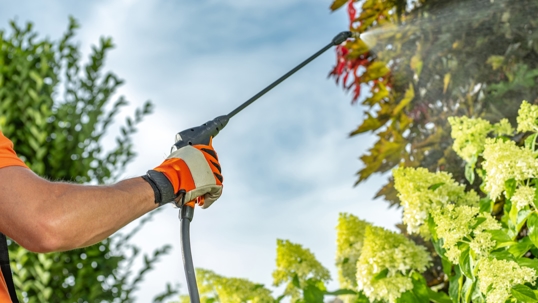
Termites are a hidden but serious threat to rental properties. For landlords, staying ahead of termites means protecting more than just bricks and beams. It is about keeping tenants satisfied, property values stable, and investments secure. Early action, proactive prevention, and clear communication consistently separate successful landlords from those dealing with costly surprises. With each property relying on effective protection, proven strategies for termite control are essential for long-term rental success.
How to Spot Early Warning Signs of Termite Activity in Rental Properties
Catching termite activity early is one of the most effective ways to limit damage in rental properties and avoid costly repairs. Termites often remain hidden until significant harm is done, so understanding the warning signs allows landlords and tenants to act before an infestation becomes widespread. A combination of visual clues, physical changes, and tenant awareness plays a critical role in early detection.
Key early warning signs of termite activity include:
- Mud tubes along foundations or walls, often pencil-thin, which termites use to travel between soil and wood while staying protected.
- Hollow-sounding or blistered wood, where termites have eaten the interior, leaving only a thin surface layer intact.
- Discarded wings near doors, windows, or light sources, commonly found after swarming events when termites shed their wings.
- Bubbling or peeling paint, which can resemble water damage and may indicate termites beneath the surface.
- Unexplained wood damage, such as soft spots, crumbling edges, or wood that breaks easily when pressed.
- Musty or damp odors in enclosed areas, sometimes associated with active termite colonies and moisture issues.
- Warped flooring or sticking doors and windows, caused by structural changes as termites weaken wood.
- Faint tapping or clicking sounds inside walls, produced by worker termites or soldiers reacting to disturbances.
Because tenants are often the first to notice subtle changes, providing them with a simple checklist and clear reporting process can speed up discovery. Encouraging quick reporting and regular communication allows landlords to investigate concerns promptly, reducing the likelihood that minor termite activity turns into extensive structural damage.
What Are a Landlord’s Legal Responsibilities for Termite Control in Rental Properties?
In most jurisdictions, landlords hold the primary responsibility for keeping rental units free from infestations that threaten structural integrity or tenant health, including termites. Housing and habitability standards generally require prompt action when termites are discovered. Ignoring known termite problems can lead to violations, costly disputes, or orders requiring tenants to vacate, creating financial and reputational setbacks for property owners.
To reduce confusion and legal risk, pest and termite management should be addressed directly in lease agreements. Clearly outline who covers treatment costs, how and when tenants should report concerns, and procedures for entry and treatment. Written expectations give both landlords and tenants a reference point that supports clear communication and helps prevent disputes later.
Tenants also play an important role by reporting signs of termites as soon as they are noticed. Encourage prompt maintenance requests when renters see suspicious damage, discarded wings, or mud tubes. Open communication reinforces the idea that termite prevention is a shared priority that protects everyone involved.
Immediate Steps Landlords Should Take When Termites Are Suspected
When termites are suspected in a rental property, taking immediate and organized action helps limit damage and reassures tenants that the situation is being handled responsibly. Early steps set the tone for clear communication, proper documentation, and effective treatment, all of which protect the property while maintaining a positive landlord-tenant relationship.
- Schedule a professional termite inspection right away: Contact a licensed pest control provider with experience in termite identification and treatment. A professional inspection confirms whether termites are present, identifies the extent of activity, and determines the most appropriate next steps.
- Document all observations and reports: Save photos of suspected damage, copies of tenant maintenance requests, emails, and inspection notes. Thorough documentation helps track the issue over time and provides valuable records for insurance questions or future disputes.
- Notify tenants promptly and clearly: Inform tenants of the inspection date and explain what to expect. Ask them not to disturb affected areas, as moving damaged wood or cleaning evidence can interfere with an accurate assessment.
- Maintain regular communication throughout the process: Provide updates on inspection results, treatment plans, and timelines. Clear communication helps reduce tenant anxiety and encourages cooperation during follow-up visits or treatment preparation.
- Review findings and plan next steps: After the inspection, go over the report carefully with your pest control provider. Share written notices with tenants outlining the issue, service dates, and any required preparations.
Once these steps are in place, consider contacting your insurance agent to clarify any coverage related to termite treatment or repairs. Acting quickly and transparently shows tenants that their safety and living conditions matter, while also helping landlords protect their investment and avoid larger, more costly problems down the line.
Effective Termite Treatment Options for Occupied Rental Properties
Treating occupied rental properties requires balancing effectiveness with minimal disruption. Non-repellent termiticides used as perimeter soil treatments are common for active infestations. These products eliminate termites as they move through treated zones while producing little odor or residue that might inconvenience tenants. For multi-unit properties or buildings with shared walls, termite baiting systems are often used to eliminate colonies gradually without requiring residents to leave.
In severe cases, technicians may recommend structural spot treatments, localized wood replacement, or more invasive measures. When these options are necessary, clear and advance communication about preparation or temporary relocation helps everyone plan appropriately. Most rental treatments do not require tenants to vacate, but ample notice is always appreciated and sometimes required.
After treatment, ongoing monitoring is critical. Re-inspections and continued communication with the pest control provider help ensure the property remains protected. Effective termite control is an ongoing process that safeguards units, limits long-term costs, and supports tenant satisfaction.
Termite Inspection Frequency Guidelines for Rental Units
Annual professional termite inspections are recommended for most rental homes and small multi-unit properties. Buildings near wooded areas, moisture sources, or with older construction may benefit from more frequent checks. For larger or multi-unit buildings, inspections before leasing units or after major repairs help prevent infestations from spreading unnoticed.
A comprehensive inspection includes foundations, crawl spaces, attics, exterior wood components, and areas near plumbing. Advanced tools such as moisture meters and thermal imaging may be used to locate hidden activity. Written inspection reports support insurance documentation and demonstrate due diligence if tenant concerns arise.
Providing tenants with advance notice and explaining why inspections are important helps ensure smooth access. Routine inspections also signal to current and prospective renters that the property is well maintained, supporting satisfaction and long-term occupancy.
Proactive Termite Prevention Strategies for Landlords
Preventive measures are one of the most effective ways to protect rental properties from termites. Moisture control is critical. Repair leaks quickly, maintain gutters and downspouts, and ensure proper drainage around foundations. Keep soil, mulch, and firewood at least 12 to 18 inches away from exterior walls to reduce access points.
Regularly inspect and maintain exterior wood components such as decks, porches, and sheds. Use pressure-treated materials or termite-resistant alternatives for repairs and new construction when possible. Lease agreements can include language asking tenants to report leaks, soft flooring, or visible damage promptly.
Providing tenants with reporting checklists and basic prevention guidance encourages participation. When everyone understands their role, termite vulnerabilities are less likely to go unnoticed. Prevention efforts now help preserve safety, satisfaction, and property value over time.
Best Practices for Communicating with Tenants About Termite Issues
Clear communication is the foundation of effective termite management in rental properties. Notify tenants in advance of inspections or treatments and explain the scope of work, technician contact information, and any preparation required. Timely notice builds trust and reduces resistance.
Tenants often ask how long services will take, whether treatments affect pets or children, and what follow-up steps are needed. Providing straightforward, written answers helps ease concerns. When appropriate, allowing limited communication between tenants and technicians can further improve confidence.
Keep organized records of all communications, including emails, notices, and repair requests. Good documentation helps resolve disputes and supports transparency. Treating communication as a partnership encourages cooperation and strengthens landlord-tenant relationships.
Termite Control Costs for Rental Properties
Professional termite inspections typically range from $100 to $300, depending on property size and complexity. If termites are found, treatment costs often fall between $800 and $2,500 for standard single-family rentals. Larger or multi-unit buildings, or those with significant damage, may require additional investment.
Most property insurance policies exclude termite damage, making out-of-pocket payment common. Some policies or add-ons offer limited pest coverage, so reviewing coverage details with an insurance agent is important. Always request written, itemized estimates and clarify any ongoing service or monitoring fees.
Preventive maintenance and routine inspections add predictable costs to annual budgets. These investments help avoid larger, unexpected repair bills and support long-term property value and tenant retention.
How Termites Impact Property Value and Rental Income
Unchecked termite infestations can lead to extensive structural damage that reduces property value. Inspectors and appraisers often flag both active infestations and previous repairs, which can delay sales or refinancing and affect pricing. Even resolved issues may raise questions if documentation is incomplete.
From a rental perspective, unresolved termite problems reduce tenant satisfaction and increase turnover. Renters dealing with pest concerns are more likely to leave early, request concessions, or leave negative feedback. Prompt, professional responses and visible prevention efforts help maintain occupancy and protect rental income.
Making termite control part of an ongoing property strategy signals diligence and care. Over time, this results in fewer emergency repairs, steadier income, and a stronger reputation with renters and buyers alike.
Why Choose a Licensed Pest Control Company for Termite Protection?
Working with a licensed pest control provider ensures treatments meet regulatory standards and are applied safely and correctly. Experienced professionals understand construction methods, moisture issues, and termite behavior, allowing them to tailor solutions to each property instead of relying on generic approaches.
Reputable providers offer clear pricing, responsive scheduling, and consistent communication. Options such as same-day or weekend service can be especially valuable when addressing urgent concerns in occupied rentals. Reliable follow-up and honest recommendations help landlords plan effectively.
Choosing an established, service-oriented company also provides peace of mind. If additional treatments are needed, prompt return visits and open communication help ensure long-term protection rather than one-time fixes.
What to Expect During a Professional Termite Inspection or Treatment Visit
A professional termite inspection is thorough and systematic. Technicians examine foundations, basements, attics, window sills, exterior wood, and surrounding landscaping for mud tubes, frass, and damaged wood. Moisture meters and other tools help identify conditions that attract termites, with findings documented in a written report.
If treatment is required, preparation instructions are provided in advance, such as clearing access to crawl spaces or storage areas. Treatment methods may include perimeter applications, bait stations, or localized spot treatments, depending on the situation. Most modern treatments are completed in a few hours with minimal disruption.
After service, technicians explain results, outline prevention steps, and schedule follow-up visits if needed. Clear communication with tenants ensures everyone understands what was done and what to expect next. This structured approach removes uncertainty and supports long-term termite protection for rental properties.
If you want professional, long-term termite protection for your rental property, contact Frame's Pest Control, Inc.. Our team is ready to schedule inspections, answer questions, and provide clear, dependable service every step of the way. Call (877) 803-5966 to discuss your property needs or arrange an inspection today.