
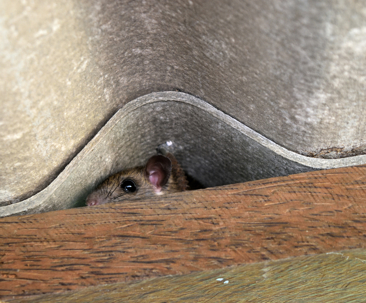
As the ground thaws in Northern Ohio and Southeast Michigan, rodents, like mice and squirrels, become highly active, searching for dry, elevated spaces to raise their spring litters. While many people think of rodent problems as a winter issue, the damp spring weather often drives these pests upward into attics, where insulation provides the perfect nesting material. Understanding how to secure your home during this transition is the best way to avoid the noise, odors, and structural damage that come with uninvited guests.
Why Attics Become Springtime Targets
In our local area, many homes feature traditional vented soffits and construction gaps that act as open invitations for wildlife. During the wet spring months, heavy rains saturate the soil and flood low-level burrows, forcing ground-dwelling rodents to migrate to higher, drier ground like your attic. Once a female identifies a quiet corner of insulation—which is often soft and fibrous enough to be the ideal nesting material—she can quickly establish a colony that leads to a major infestation within weeks.
Rodents are capable of squeezing through surprisingly small openings, with mice needing only a dime-sized hole and squirrels often chewing through weakened wood or plastic vents to create their own doorways. In the Midwest, the freeze-thaw cycle of winter accelerates this risk by warping fascia boards and pulling trim away from the roofline, providing the perfect entry points just as spring arrives. These vulnerabilities are often compounded by overhanging tree branches that act as "pest highways," allowing squirrels and mice effortless access to your vulnerable roofline.
Practical Steps for Rodent Prevention
The most effective way to prevent nesting is to perform a thorough exterior inspection before the spring breeding season reaches its peak. You should focus specifically on the transition points where different building materials meet, such as where the siding joins the soffit or where the chimney meets the roof. Using the right materials for repairs is vital; rodents can easily chew through rubber, plastic, or foam, so metal-based solutions are the expert standard.
Maintaining the perimeter of your home is just as important as sealing the building itself. When bushes or trees touch your siding, they provide cover for rodents to explore your home's exterior without being seen by natural predators like hawks or owls. By creating a clear buffer zone around your house, you make it much harder for pests to reach the higher entry points they prefer for nesting.
Follow these expert-level maintenance steps to secure your attic:
- Install Steel Mesh: Cover all attic vents and soffit openings with heavy-duty hardware cloth or steel mesh to prevent chewing.
- Trim Tree Limbs: Cut back any branches that are within 6 to 10 feet of your roof to remove the easy pathway to your gutters.
- Seal Construction Gaps: Use metal flashing or copper mesh stuffed into gaps before sealing with caulk to stop rodents from gnawing through.
- Manage Food Sources: Ensure bird feeders are moved away from the house and that trash cans have tight-fitting, locking lids.
Identifying the Signs of an Active Nest
Even with the best prevention, some rodents are persistent. Identifying a nesting problem early—before the litter is born—can save you from a much larger cleanup project later. Most homeowners first notice a problem through sound. Because rodents are often nocturnal, you are likely to hear scratching, thumping, or scurrying in the ceiling late at night or very early in the morning.
Beyond noise, you should check your attic periodically for physical evidence of activity. Rodents leave behind distinct markers that can help you identify exactly what you are dealing with. If you find shredded paper, pulled insulation, or gnaw marks on wooden rafters, these are clear indicators that a nesting site is being prepared. Promptly addressing these signs is crucial for protecting your electrical wiring and home hygiene.
If you suspect activity, look for these specific red flags:
- Droppings: Look for small, dark pellets near the eaves or along the top of the insulation.
- Trampled Paths: "Runways" in the dust or flattened trails in the insulation indicate frequent travel routes.
- Unusual Odors: A persistent, musky smell in the attic or upstairs closets often points to a hidden nesting site.
- Frayed Wires: Rodents must gnaw to keep their teeth sharp, often targeting the plastic coating on your home's wiring.
When to Bring in Professional Help
Rodent control in an attic can be complex because it involves working in tight, dark spaces and handling materials that may be contaminated. Setting a few traps might catch a single mouse, but it rarely addresses the larger population or the entry points they used to get inside. Furthermore, if you accidentally trap a mother squirrel inside your attic by sealing an entry point, she can cause immense damage trying to get back to her young.
Professional exclusion work is the most reliable way to ensure a pest-free spring. An expert technician understands the biology of local wildlife and knows exactly where to look for the hidden weak spots in a roofline. By using specialized materials and strategic removal techniques, a professional service protects your home's structural integrity while ensuring that the rodents are removed humanely and effectively.
Expert Solutions for a Pest-Free Home
Securing your home against spring nesting requires a combination of high-quality materials and technical knowledge of rodent behavior. It is about more than just setting traps; it is about reinforcing the "envelope" of your house so that pests cannot return year after year. A professional assessment ensures that every gap is identified and that your attic remains a clean, safe space for your home's insulation and wiring.
For comprehensive protection, Frame's Pest Control, Inc. provides specialized rodent control and wildlife removal services that focus on long-term exclusion. Our team performs detailed inspections to find even the smallest entry points and uses durable, metal-based solutions to keep critters out. Whether you are hearing noises in the night or want to be proactive with our general pest control services, we focus on technical solutions that keep your family safe.
If you’re hearing scratching in your attic or want to secure your home before nesting season begins, don’t wait for the damage to start. Contact the local experts at Frame's Pest Control, Inc. today at (877) 803-5966 or reach out through our online contact form to schedule your professional inspection!