

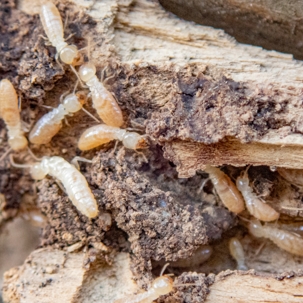
Termite damage can go unnoticed for years, slowly compromising the safety and value of Toledo homes. As families in our region, we know how devastating an infestation can be. Taking action early, through smart home modifications, gives you the upper hand—saving money and preventing headaches down the line. Here, we share practical, step-by-step ways to make your home less inviting to termites, based on what we see across Northern Ohio every year.
What Are the Best Exterior Home Modifications to Prevent Termite Infestation?
Protecting your home’s exterior starts with blocking termite access and reducing what attracts them. Physically separating wood from soil remains one of the most effective deterrents. Pressure-treated wood, composite trim, and metal flashing all create strong barriers when replacing or upgrading vulnerable surfaces like deck posts, door frames, and siding. Especially in older neighborhoods, updating original wood with pest-resistant alternatives pays major dividends in lasting protection. Landscaping plays a major role in termite prevention. Mulch, often laid close to the foundation, traps moisture and creates a pathway for termites.
Consider these steps for safer landscaping:
- Switch to stone, gravel, or rubber mulch near house foundations.
- Keep all mulch at least six inches away from siding and wooden trim.
- Remove old tree stumps, construction debris, and wood scraps within 20 feet of your home.
- Trim plants and shrubs away from walls to let air circulate and keep surfaces dry.
Effective drainage is another frontline defense. Inspect and fix leaky spigots or gutters, slope your yard away from the foundation, and use downspout extenders to route water far from your home. Preventing water accumulation keeps soil dry and discourages termites from nesting nearby.
Small exterior repairs make a big difference:
- Re-caulk window and door frames every spring.
- Seal gaps where utilities and pipes enter your home.
- Replace damaged weatherstripping and check flashing along rooflines or balconies.
Regular upkeep on these fronts limits termite access and builds a solid barrier against future invasions.
Why Is Termite Prevention Essential for Homeowners in Toledo’s Climate?
Toledo and Northern Ohio are home to the eastern subterranean termite. These insects thrive in moist, temperate weather, making our wet springs and humid summers particularly risky times. The local climate means that soil remains damp enough for termites to build robust colonies underground—eventually seeking out wood as their primary food source. While cold winters do drive termites deeper or closer to our foundations, these pests stay active below the frost line and return at the first sign of warmth.
Older homes in our area are especially vulnerable. Decades of changing seasons, fluctuating soil moisture, and earlier construction methods can leave gaps or damp materials open to attack. Even newer houses experience risk if landscaping or weather contributes to foundation dampness. Recognizing that termite risk is a year-round reality allows us to take a proactive, rather than reactive, approach to protecting our properties and peace of mind.
Without visible warning signs, termite damage can spread quietly. Caught early, repairs may be minor. Left unchecked, they can cost homeowners thousands. Smart modifications informed by the unique weather and construction profiles in Toledo provide the strongest line of defense against unseen pests.
How Do Termites Enter Homes in Toledo? (Key Entry Points to Watch)
Termites rarely announce themselves. Instead, they quietly exploit structural vulnerabilities such as foundation cracks, spaces around utility lines, or seams from home additions. Many Toledo homes have basements or crawl spaces where age and moisture create prime targets. Termites build protective mud tubes to access food sources, and these tubes often form along interior or exterior foundation walls and occasionally under siding or porch steps.
Where wood touches the ground—such as deck supports or untreated siding—termites find easy entry. Homes with attached structures, previous renovations, or patched repairs can develop unsealed joints that allow termites to move inside unseen. Even minor cracks in poured cement or cinder block provide a hidden route for these persistent pests. Spotting these weak points early means we can seal them up and block the most common paths termites take.
Simple annual inspections uncover risk zones before they become significant problems. If you spot mud veins, sagging floorboards, or unexplained damp spots, don’t brush them aside. These early clues help stop infestations before they require extensive—and expensive—treatment or reconstruction.
How Can Interior Modifications Lower Your Home’s Termite Attraction?
Termites crave moisture and hidden food sources. Inside your home, the key is to keep wood dry and eliminate hidden pathways. In basements and crawl spaces, installing vapor barriers or heavy-duty liners over dirt floors can significantly lower humidity and block termites from approaching floor joists. A properly functioning dehumidifier further reduces excess indoor moisture—particularly after heavy rains or in humid summers.
Regularly inspect and seal cracks or gaps at the base of foundation walls, around water lines, and under basement stairs. For chronic dampness in utility spaces, consider reinforcing insulation and plugging persistent leaks at the source. Kitchens, laundry rooms, and bathrooms also require close attention: check that pipe penetrations are tightly sealed and inspect cabinets and wall bases for hidden wet spots or musty odors, which can signal ideal conditions for termites.
When remodeling or upgrading ground-level rooms, prioritize materials that deter termite interest. Use pressure-treated lumber for new framing touching masonry or concrete surfaces. For insulation, opt for closed-cell foam or similar moisture-resistant products. Before installing carpets or flooring, check the subfloor for signs of decay, warping, or mud tubes—evidence termites have already made themselves at home. Each targeted modification builds additional layers of protection and peace of mind.
Should You Replace or Treat Wood During Renovations to Prevent Infestations?
Renovations provide the perfect opportunity to strengthen your home against termites. When walls, floors, or ceiling panels are removed, take a close look at underlying beams and joists. Replace any wood that appears spongy, hollow, or darkened from moisture exposure with pressure-treated alternatives. This step is especially important for structural elements that touch basements, slabs, or exterior masonry—points where humidity and pest pressure are highest.
Before sealing up new construction or remodeling work, consider applying a borate-based treatment to exposed wood surfaces. Borates penetrate wood fibers and provide long-term protection against termites and fungi. Products like these are straightforward to apply and can make a significant difference, especially in difficult-to-access areas. Be sure to apply borate solutions to all cut ends, joints, and junctions where two pieces of wood meet.
Look for previous signs of termite activity when opening walls, including mud tubes, trails, and visible galleries inside studs. If you notice old damage—no matter how minor—remove and replace the affected material rather than covering it up. This approach halts the spread of undetected colonies. For especially challenging or suspicious sites, call our licensed technicians to assess the condition and suggest next steps, so you don’t risk sealing active pests inside new walls or flooring.
What Regular Maintenance Prevents Termite Infestation Year-Round?
Seasonal maintenance is vital to ongoing termite prevention. Start with twice-yearly inspections of your home’s perimeter, focusing on any area where wood meets the ground or the foundation. Take note of damaged boards, flaking paint, or unexpected moisture. Address small problems—like missing caulking or broken tiles—before they become entry points.
Many homeowners overlook their gutters and downspouts. Blockages cause water to pool next to the foundation, increasing soil moisture and termite risk. Clean gutters thoroughly in spring and fall, and check all extensions for leaks or disconnections. Keep an eye on your basement drain or sump pit, flushing them as part of spring cleaning to avoid hidden moisture buildup.
Review lawn structures each season. Sheds, fences, and decks deserve just as much attention as primary homes because termites transition from these outbuildings when conditions change. Inspect utility penetrations like hose bibs, A/C lines, and cable entries; reseal any opening you find using pest-resistant caulk. Setting a calendar reminder for these tasks helps you stay ahead and protects your home from unwanted surprises.
How Can Your Landscaping Decisions Impact Termite Risks Around Toledo Homes?
Landscaping is about more than curb appeal—it can quietly shape your home’s risk profile for termites. Firewood stacks, left near the house for convenience, are one of the top culprits we find during inspections. Store firewood at least 20 feet away from the home and off the soil on metal or composite racks. Remove dead trees, stumps, or excessive mulch, as these increase soil moisture and invite colonies.
Designing planting beds and borders with care helps shield your house. Opt for roofing tile, gravel, or natural stone close to window wells and siding instead of organic mulch. Keep dense ground cover well away from the foundation and trim shrubs to improve sunlight and airflow, both of which discourage termites. When choosing plantings, avoid fast-growing vines or sprawling bushes that can conceal mud tubes or damage wooden trim.
Soil grading is another important factor. Slope landscaping so water runs away from the structure. Avoid untreated timber or wood-based garden edging—these often degrade fast in our climate, creating a direct food source for termite colonies. Every smart landscaping tweak, from the slope of flower beds to the choice of mulch, contributes to a home that resists pest invasion year after year.
Can You Upgrade Historic or Older Homes in Toledo for Modern Termite Protection?
Owning a historic home comes with pride—and a unique set of termite challenges. Many classic Toledo homes feature original wood, crawlspaces lacking vapor barriers, or siding placed too close to the ground. When upgrading, begin by sealing the exterior envelope. Repair or replace rotting clapboards, lift any wood members up to current code heights, and use concealed flashing to block pest routes behind restored siding.
Thankfully, modern materials blend well with traditional architecture. Borate treatments can be applied to beams, supports, and floor joists without altering their appearance while providing long-lasting defense. Whenever possible, retrofit pressure-treated lumber into window sills, porch posts, and ground-level trim—spots most likely to suffer termite attacks. Prioritize repairs that address moisture entry, such as installing new vapor barriers or improving crawlspace ventilation, as these go a long way in reducing hidden risk.
Partnering with professionals who understand the nuances of older properties ensures you maintain both the historic charm and your home’s safety. With each generation, we learn to balance preservation with practical upgrades—ensuring your investment stands strong against pests as well as time.
What Are Common Signs That Upgrades Missed an Active Termite Problem?
Even the best modifications can miss an active termite infestation if existing colonies hide deep within walls or floors. Watch for these warning signs:
- Swarmers: Winged termites emerging inside or around windows, especially in spring or after rain.
- Mud Tubes: Narrow, brown tunnels along foundation walls or under flooring, which termites use to travel safely between soil and wood.
- Wood Damage: Soft, hollow-sounding boards, blistered paint, or warped wood near baseboards and window sills.
- Dropped Wings: Piles of small, shed wings near entry points can signal an established colony nearby.
Check hidden zones carefully—finished basements, crawlspaces, and under sinks or behind cabinets. Doors or windows that suddenly won’t close or stick may reflect internal wood swelling or loss of support beneath the surface. Early action when you see these red flags helps minimize costly repairs and stops further damage.
If you discover any of these clues, inspect the area closely. Take notes or photos, and reach out for an evaluation if you’re unsure. Fast, decisive steps bring peace of mind and keep your improvements on track. Don’t ignore new or persistent issues, even if you’ve recently completed upgrades. With termites, a little extra vigilance means catching hidden activity before it becomes a much bigger problem.
When Should You Call a Termite Control Professional in Toledo?
Some warning signs warrant a professional’s insight right away. Mud tubes, swarming termites, or visible wood damage all demand prompt, knowledgeable review. Homes with a past history of termites, or those under renovation, benefit from a professional inspection to uncover issues you might miss as a homeowner—especially in Toledo’s unique landscape and construction styles.
Trained pest control technicians use commercial tools, specialized detection methods, and understand regional termite behaviors. Early consultation can help integrate termite prevention steps into major renovation plans, saving hassle and money down the line. For example, pre-treating foundations, choosing appropriate construction materials, or applying targeted soil barriers are best coordinated from the outset—not as afterthoughts.
Scheduling regular inspections and ongoing support adds lasting protection. If you ever feel uncertain about your property’s safety, reach out to Frame's Pest Control, Inc., and we will review your situation, answer questions, and make sure you’re set up for long-term defense. We take pride in serving our community with the same commitment we offer our own family—clear answers, reliable work, and honest guidance you can trust.
How to Prioritize Home Modifications for Long-Term Termite Prevention in Northern Ohio
To create a solid, lasting termite barrier, start with a simple checklist. Walk your home’s perimeter, noting where wood, moisture, and soil meet. Address high-priority areas first, such as damp crawlspaces, unsealed utility gaps, or ground-level siding. Spread larger projects—like landscaping overhaul or crawlspace encapsulation—across the year to align with the local climate and your own schedule.
Break upgrades into small steps, such as:
- Replacing decaying ground-level boards with treated materials.
- Improving drainage and redirecting water away from the foundation.
- Sealing access points at doors, windows, and utilities.
- Refreshing insulation and vapor barriers in basements and crawlspaces.
Document each improvement and set reminders for regular follow-ups. This practical, stage-by-stage approach protects your home and keeps termites at bay for the long haul. Our commitment as your neighbors is to make sure every customer feels confident, supported, and informed throughout the process.
If you’d like help planning your termite prevention steps—or want a thorough inspection—contact Frame's Pest Control, Inc.. Same-day and next-day appointments are available, and our licensed team brings decades of family experience right to your door. Call us at (877) 803-5966 to get started on lasting peace of mind today.