
You have a pest problem, an appointment on the calendar, and one big question on your mind: what do you need to do before the technician arrives? Maybe you are seeing ants in the kitchen, mice in the basement, or something biting you at night, and you want this visit to count. You do not want to be scrambling when the doorbell rings, or wonder later if different prep would have given better results.
Many homes share similar pest pressures and construction quirks, but no two visits look exactly the same. Good preparation is less about making your home look perfect and more about giving us access to the places pests actually live, travel, and hide. When you understand how we move through a home and what our products need to work properly, it becomes much easier to decide what to tackle before we get there.
At Frame's Pest Control, Inc., we have been protecting homes across Northern Ohio since 1972. Our team of more than 35 licensed technicians spends every day in basements, kitchens, and attics just like yours, so this guide reflects what we know really helps during a visit, not just generic advice. Below, we will walk through what to expect, how to prepare room by room, and how to get the most out of your pest control service.
What Homeowners Can Expect From a Pest Control Visit
When one of our technicians arrives at your home, the visit starts with a brief conversation at the door. We ask what you have been seeing, where you notice pests most often, and how long the issue has been going on. This is your chance to point out problem rooms, times of day when you see more activity, and any past treatments you have tried on your own or with another company.
After that conversation, we begin with an inspection. We follow the trail of moisture, food, and shelter, since that is what pests follow. In most homes, that means starting in kitchens and bathrooms, then moving into basements, utility rooms, and any areas where you have reported activity. We check under sinks, around plumbing lines, near appliances, along baseboards, and at common entry points where we see pests coming in from outside.
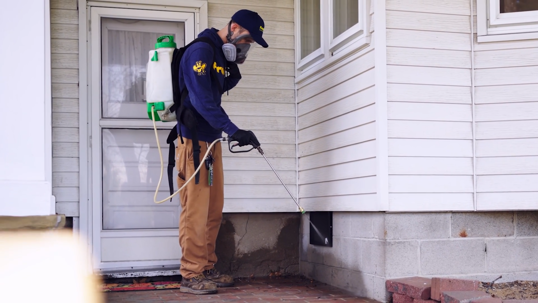
Once we understand how pests are using your home, we decide on the right mix of interior and exterior treatments. Inside, that might include targeted applications into cracks and crevices, placements in wall voids, and bait in protected locations where children and pets cannot reach. Outside, we often treat along the foundation, around doors and windows, and in other key spots where pests enter. The exact steps vary by pest type, but the goal is always to interrupt their routes and harborage areas so they cannot keep using your home as shelter.
Most first visits in a typical home take around an hour, although heavy infestations, large properties, or complex problems can take longer. Our licensed technicians follow a consistent process rooted in their training and in our 50-plus years of local experience, so you can expect a structured visit instead of a quick spray and go. Before we leave, we review what we did, what you should expect in the coming days, and any specific follow-up steps we recommend for your home.
How to Prepare in the Days Before Your Pest Control Appointment
Once your appointment is booked, a little preparation over a day or two can make the visit smoother and more effective. The first step is to reduce clutter where we will need to inspect and treat. Try to pull items a few inches away from baseboards in problem rooms, clear spaces under kitchen and bathroom sinks, and move loose belongings off floors in corners where you have seen activity. We do not expect bare rooms, but we do need to see and reach the edges of the space.
Light cleaning can also help, especially wiping up crumbs, greasy spots, or obvious food and water spills. Many people are surprised to learn that heavy mopping or scrubbing right before a visit can work against you. Many of the products we use leave a very thin, dry layer along baseboards and other surfaces where pests travel, and that layer continues working over time. If you mop aggressively right before or right after treatment, you can remove that residual before it has a chance to do its job.
Another key step is to pause over-the-counter sprays, bombs, or dusts at least a few days before your appointment. Those DIY products can drive pests deeper into wall voids or create repellent barriers that interfere with how our treatments work. For example, we often see roaches scatter into cracks where they become harder to reach after a fogger, or ants split their colonies when sprayed, which makes control slower. When you stop those products ahead of time, we can work from a cleaner slate and design a treatment plan that performs the way it was meant to.
Our office staff and technicians walk through prep instructions when you schedule, and we know not every home allows for perfect preparation. If your schedule, mobility, or home layout makes certain steps difficult, let us know when you call. Clear communication is one of our core values, and we would rather tailor prep around your reality than have you stress about doing things that are not practical for your situation.
Room-By-Room Prep Checklist for Homes
Thinking about your home room by room can turn a big prep list into smaller, manageable tasks. We see a lot of similar layouts, from older homes with stone basements to newer builds with finished lower levels. The steps below focus on the rooms where most of the inspection and treatment work typically happens and explain why each task matters.
In the kitchen and dining areas, start under the sink. Remove cleaning bottles, bags, and other items so we can see the plumbing lines and the back corners of the cabinet, which are common travel routes for ants and roaches. If you can safely slide small countertop appliances a few inches away from backsplashes, that gives us better access to where insects like to hide. Wipe up obvious food spills, seal open cereal, pet food, and snacks in containers, and try to keep dirty dishes from sitting for long periods, especially overnight, since that gives pests easy meals.
Bathrooms and laundry rooms are important because pests often follow moisture and plumbing. Clearing under sink cabinets and moving hampers or storage bins a bit away from walls lets us inspect and treat the areas where pipes enter the room. Picking items up off the floor, such as bath toys and scattered clothes, helps us reach baseboards and corners. In laundry areas, keeping the space around the washer, dryer, and utility sink accessible allows us to check behind and beneath those appliances if needed, since warm, damp spaces can attract both insects and rodents.
Basements, attics, and garages often hold the clues to how pests are getting inside. Try to move stored boxes and totes a few inches away from walls so we can see the sill plate, baseboards, and foundation line. If you have shelves packed tight against the wall, see whether you can clear at least a few key sections where you notice droppings, gnaw marks, or insect activity. Make sure we can reach utility areas, such as around your furnace, water heater, sump pump, and any crawlspace or attic access doors, since pests often use those hidden areas as highways into living spaces.
These steps come from what our technicians see every day in the same neighborhoods where they live and work. We know most families use basements and garages for storage, not as showrooms, and we do not expect you to empty them. Our goal is simply to expose enough of the perimeter and critical access points that we can trace how pests are moving through your home and put our treatments in the right places the first time.
Special Prep Steps for Common Pests
Preparing for a pest control visit is not a one-size-fits-all task. Some pests respond well to simple, common-sense prep, while others require more careful and targeted steps. The goal is to remove what attracts pests, give technicians clear access to problem areas, and avoid actions that accidentally make the situation worse. Tailoring your preparation to the type of pest you are dealing with helps keep the appointment efficient and focused on solving the problem.
For the most common household pests, these prep steps make the biggest difference:
- Ants and other occasional invaders: Seal open food, wipe up spills or sticky residue, and address obvious moisture sources like dripping faucets. Avoid deep cleaning areas with visible trails right before service, since those clues help identify entry points and nesting zones.
- Cockroaches: Reduce clutter in kitchens and bathrooms, especially near appliances and inside cabinets. Pull small appliances, shelves, or trash bins slightly away from walls to expose hiding spots, but do not feel pressured to make the space spotless.
- Rodents: Clear nesting materials along walls and behind stored items. Move boxes, furniture, or equipment a few inches away from suspected entry points. Store pet food, bird seed, and bulk dry goods in sealed containers. Seal obvious gaps if you can do so safely, but leave detailed exclusion work to the technician.
- Bed bugs: Follow laundering and bagging instructions exactly as provided. Wash bedding and frequently worn clothing on high heat, then seal them in labeled bags. Reduce clutter near beds and sofas, pull furniture slightly away from walls, and avoid moving loose items from room to room.
- Fleas and other biting pests: Vacuum floors, rugs, and furniture as directed, dispose of vacuum contents promptly, and limit pet access to treated areas as instructed.
Experienced technicians adjust recommendations based on the pest, the layout of the home, and what you report during scheduling. If you are unsure which pest you are dealing with, general preparation is a good starting point, followed by any specific instructions provided before the visit. That combination helps ensure treatments are applied where they matter most and reduces the chances of needing repeat service.
Keeping People & Pets Safe During Treatment
Safety for your family and pets is often the biggest concern we hear from homeowners, especially when there are young children, older relatives, or many animals in the home. Professional pest control work is designed around label directions and state regulations, which spell out where products go, how they are applied, and when people and pets can reenter treated areas. Our technicians are trained and licensed to follow those directions every time.
During most interior treatments, we ask that people and pets stay out of the areas we are actively working in until surfaces are dry. In many cases, that can be a matter of an hour or so for specific rooms, depending on what is being treated and how. We will let you know what to expect at your visit, including which spaces you can use right away and which ones you should give a little time. Planning ahead to have kids and pets in a different part of the home, or with a neighbor during the most active part of the visit, can make things easier.
Some pets, such as birds, reptiles, and fish, may require a bit of extra planning. Covering aquariums and terrariums, or moving them if we will be treating nearby, is often recommended, and we can talk through that with you based on the rooms involved. For dogs and cats, having crates, leashes, or a designated room ready makes it simple to keep them out of our way and out of treated areas until we give the all clear.
Outside, our technicians also think about safety. We clean outdoor areas where needed before applying treatments and consider how you use your yard, patios, and entryways. If you have children’s play equipment, gardens, or specific pet areas, let us know so we can plan the treatment pattern. As a family-owned company with a Navy veteran founder, we take a disciplined, safety-focused approach and treat your property the way we want our own families’ homes treated.
What To Do On the Day of Your Pest Control Visit
On the day of your appointment, a few quick steps can reduce last minute stress and help the visit go smoothly. If you have gates, make sure they are unlocked so we can reach the yard and foundation. Clear a path in the driveway or garage if possible, especially if we need to access a basement from that side of the house. Inside, double-check that pets are secured where they will be comfortable and out of the treatment areas during the visit.
We know life is busy, so your prep may not be perfect when we arrive. Our technicians can usually move a few lightweight items to reach key baseboards or under sink areas, and we expect to do some on the spot adjustments. If there are rooms where clutter or furniture makes access very difficult, we will talk with you about options, such as focusing today’s work on accessible areas and planning for added prep before a follow-up visit. Open communication allows us to get the most done within the time we have in your home.
When we arrive, it helps if an adult who understands the pest issue can be available for the first part of the visit. Walking through the home together for a few minutes lets you point out where you see pests, where children sleep and play, and any special concerns. That shared walkthrough often saves time and leads to a more targeted, effective treatment. After that, you can usually step away to another room, run an errand, or take pets out while we complete the bulk of the work.
Our technicians take pride in dependable service and respect for your time. We work within scheduled windows and keep you informed if something shifts. At the end of the visit, we review what we did, answer questions, and leave you with any specific instructions for your home. The more we can work together on preparation and communication, the better the visit feels from start to finish.
After the Visit: Maximizing Results & Planning Follow-Ups
Once the treatment is complete and you are back to using your home, it helps to know what is normal and what signals you should call about. For some pests, especially insects like ants and roaches, you might see more activity for a short time as they come into contact with treatments and leave their usual hiding spots. That can be a sign that the products are reaching them, rather than a sign that things are getting worse.
Cleaning after the visit should be thoughtful, not extreme. You can keep up with regular housekeeping, such as wiping counters, sweeping, and vacuuming. Try to avoid heavy mopping or scrubbing directly along treated baseboards for a little while, since that is where many residual products do their work. If we have placed any visible baits or stations, leave them where they are unless we have given you different guidance, since moving or removing them can slow progress.
Long-term results often depend on both the initial visit and the follow-up work we do together. That can include scheduled return visits for certain pests, and it might mean making small habit changes, like keeping trash containers closed, storing pet food more securely, or fixing minor moisture issues we point out. If pests return between scheduled visits, our customer commitment includes follow-up treatments at no additional cost, within the scope of your service plan. We want your service to feel like an ongoing partnership, not a one-time event.
If you are unsure whether what you are seeing after a visit is typical or something new, reach out. We would much rather hear from you early and adjust if needed than have you wait and worry. Clear communication after the visit is just as important as good prep before it, and it helps us keep your home more comfortable over time.
When To Call With Questions About Prep or Scheduling
Real homes do not always match the examples in a guide, and real life does not always leave time for ideal preparation. If you are dealing with heavy clutter, mobility challenges, tenants, or a severe infestation that makes you hesitant to move items, call us so we can talk through a realistic plan. We routinely adapt prep around medical equipment, home offices, shared housing, and other situations that are simply part of how people live.
You should also reach out if you are not sure what pest you are dealing with or whether your situation calls for general or pest-specific prep. A short phone conversation can often narrow things down enough for us to give more precise instructions before we arrive. When we understand your home’s layout and your daily routines, we can also suggest small timing adjustments, like doing certain prep tasks the night before a Saturday appointment or while kids are at school.
If you have not yet scheduled a visit and are just trying to understand what is involved, we are glad to answer questions and help you decide on next steps. Our prompt scheduling, flexible appointments, and fair, transparent pricing are designed to make it easier to fit pest control into your week, not harder. As a family-owned company with deep roots in Toledo and the surrounding communities, we see each visit as an invitation into someone’s home, and we treat it that way.
If you are ready to schedule or want to talk through preparation for your specific situation, call us and we will walk you through it step by step.