
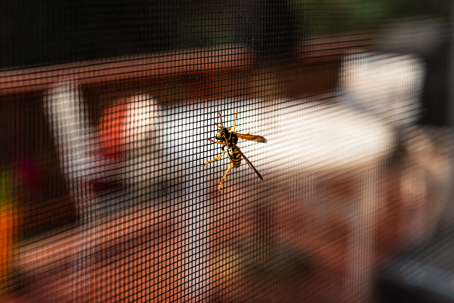
As the warmth of summer begins to fade into the cooler evenings of autumn, you might notice that bees, wasps, and hornets seem much more active. During the early spring and mid-summer, these insects are usually busy building their homes and raising their young. However, as the season nears its end, their behavior shifts from quiet construction to a much more defensive and aggressive stance. Understanding this natural cycle can help you stay safe while enjoying your backyard during the final weeks of the season.
The Shift in Food Sources and Foraging Habits
During the early parts of the year, stinging insects primarily focus on gathering protein to feed the growing larvae in the nest. As the queen stops laying eggs in late summer, the workers no longer have a "nursery" to provide for, which changes their entire daily routine. Suddenly, these workers are left with a massive craving for sugar and nectar to sustain their own energy levels. This is why you often see them hovering around soda cans, fruit trees, or outdoor trash bins during a backyard barbecue.
Since natural flowers begin to wilt and provide less nectar as fall approaches, competition for food becomes very fierce. Wasps and yellowjackets become desperate for any source of sugar they can find to survive the coming cold. This desperation makes them much more likely to stand their ground or fight off anything they perceive as a threat to their meal. Because they are hungry and scavenging, they are more prone to fly closer to humans than they were in June or July.
To reduce the chances of attracting these hungry foragers, keep these tips in mind:
- Keep all outdoor trash cans tightly sealed with heavy lids.
- Clean up fallen fruit from trees or gardens immediately.
- Cover sweet drinks and food when eating on a patio or deck.
Growing Colony Populations and Defensive Needs
By late summer, a single nest can hold thousands of individual insects that have been multiplying all season long. With so many members living in one space, the colony is at its peak size and is highly protective of its structural home. A larger population means there are more "guards" stationed at the entrance of the nest to watch for intruders. Even a small vibration from a lawnmower or a child running nearby can trigger a massive defensive response.
Because the colony has invested months of work into their home, they are not willing to abandon it easily. They perceive any movement within several feet of the nest as a direct attack on their queen and their future. This heightened state of alert is why people often get stung in August or September in areas they walked through safely all spring. The sheer number of insects means that if a defensive pheromone is released, the entire colony can react in seconds.
Preparing for the Winter Survival Phase
The most aggressive behavior often comes from the fact that the colony is entering its final stage of life. In many species, the entire nest will die off once the first hard frost hits, except for the new queens. These future queens must eat as much as possible to build up fat stores so they can survive the winter underground. The worker insects are under immense biological pressure to ensure these queens are fed and protected at all costs.
This "do or die" mentality makes the workers much more territorial than they were when the season first started. They are essentially fighting for the survival of their entire species' next generation before the cold weather sets in. This period of high stress causes them to react to threats with much more speed and intensity. Knowing that their time is limited makes every food source and every inch of their territory worth fighting for.
You can stay safe during this high-risk period by:
- Moving slowly and calmly if a stinging insect approaches you.
- Avoiding bright floral clothing or heavy perfumes when outdoors.
- Checking for nests under eaves or deck railings before starting yard work.
Managing the Risk of Late Season Nests
Finding a nest in late summer can be intimidating because of the high activity levels surrounding the entry point. It is often tempting to try to handle the situation yourself, but this is the most dangerous time of year to disturb a colony. Because the insects are at their most defensive, a simple spray from a hardware store can cause the swarm to exit the nest and attack. Professional tools and protective gear are necessary to manage these large populations without risking multiple stings.
Technicians use specialized equipment to reach high eaves or underground tunnels where yellowjackets prefer to hide. They can identify the specific species and determine if the nest is in a location that poses a direct threat to your family. By addressing the nest properly, you ensure that the insects are removed before they have a chance to accidentally enter your home through windows or vents. Taking action early in the late summer prevents the colony from reaching its maximum, most aggressive state.
Protecting Your Outdoor Spaces This Season
Late summer is a beautiful time to be outside, but the changing behavior of stinging insects requires a higher level of awareness. The combination of food scarcity, peak population sizes, and the biological drive to protect new queens creates a perfect storm for territorial behavior. Taking simple steps to remove attractants and respecting the space around active nests will help you avoid painful encounters as the weather cools.
Frame's Pest Control, Inc. offers specialized stinging insect control to keep your property safe during these high-activity months. We provide expert stinging insect removal that focuses on identifying and eliminating nests before they become a danger to your household. Our team utilizes professional-grade equipment for wasp and hornet control to handle even the most aggressive late-season colonies safely and effectively.
If you notice increased activity or find a nest on your property, act quickly to protect your family. Contact us today or call (877) 803-5966 for a professional evaluation.