
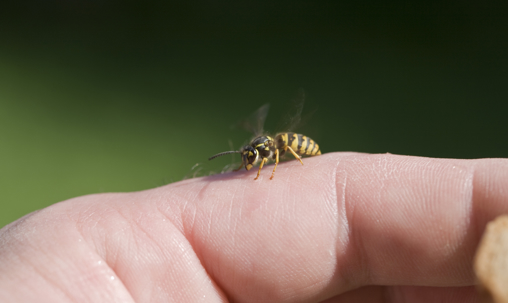
A sting from a wasp or hornet can be a painful and startling experience that happens in a matter of seconds. Because these insects are highly territorial, a single encounter can quickly turn into a stressful situation for you or your family. Knowing exactly what to do in the moments following a sting can help reduce pain and prevent further complications. Following a clear set of steps ensures that the site is cleaned properly and that you are monitoring for any serious reactions.
Step-by-Step Care for a Stinging Incident
Taking fast action is the best way to limit the amount of discomfort you feel after an encounter. Most people will experience redness, swelling, and a sharp burning sensation that lasts for several hours. By following a structured approach, you can manage these symptoms effectively at home while keeping a close eye on your physical recovery.
- Move to a safe location immediately to avoid additional stings from the colony.
- Check the site to see if a stinger was left behind, though wasps and hornets rarely leave them.
- Wash the area thoroughly with soap and cool water to remove any bacteria or venom residue.
- Apply a cold pack or ice wrapped in a cloth for ten minutes to reduce the swelling.
- Keep the affected limb elevated if the sting occurred on an arm or a leg.
Monitoring for Allergic Reactions and Symptoms
While most stings only cause local irritation, some individuals may have a more severe biological response to the venom. It is vital to watch the person who was stung for at least thirty minutes to ensure they are breathing normally. Signs of a serious problem include hives spreading across the body, swelling of the throat, or feeling faint and dizzy. If any of these symptoms appear, it is considered a medical emergency and requires professional help right away.
For a normal reaction, you can use over-the-counter creams or antihistamines to help with the itching and redness. These products help calm the skin and prevent you from scratching, which could lead to a secondary infection. Most minor swelling will go down significantly within a day or two if the area is kept clean and cool. If the redness continues to spread after the first forty-eight hours, you should consult a healthcare provider to check for infection.
Preventing Future Stings on Your Property
Once the immediate pain is managed, it is important to figure out why the sting happened so it does not occur again. Wasps and hornets often build nests in hidden areas like the underside of porch railings, inside birdhouses, or within thick bushes. Walking near these high-traffic areas can trigger a defensive response from the insects, even if you didn't see the nest. Identifying these locations allows you to keep children and pets away from the danger zone.
Managing the environment around your home can drastically reduce the number of stinging insects looking for food or shelter.
- Seal gaps in your home's siding or soffits where queens might try to build a nest.
- Keep outdoor dining areas free of food scraps and sweet drink spills.
- Ensure all exterior trash bins have tight-fitting lids to discourage foraging.
Addressing the Source of the Problem
The most effective way to prevent stings is to remove the active nests that are located too close to your living spaces. Attempting to knock down a large nest with a broom or a water hose often results in multiple stings because the insects will defend their home aggressively. Professional tools are designed to reach these nests safely and eliminate the population without putting anyone at risk. This provides a long-term solution that allows you to enjoy your yard without fear of another encounter.
Frame's Pest Control, Inc. offers specialized stinging insect control to handle nests of all sizes located on your property. We focus on providing high-quality stinging insect removal that targets the specific species causing the issue. Our technicians utilize professional-grade equipment for wasp and hornet control to ensure that colonies are removed safely and your home remains a secure environment for your family.
If you find a nest or continue to see high insect activity near your home, do not take the risk. Schedule a consultation with us today or call (877) 803-5966 to schedule a professional inspection.